
NDCR vs DCR solar panels: which should you buy?
DCR modules are required for the rooftop subsidy. NDCR can look cheaper only if you give that subsidy up.
Read the article →It is one of the first things homeowners notice when they compare two quotations: one company's panels look deep black, the other's look blue. The darker set looks more premium, so it must be the better product. In practice, colour tells you very little about how much electricity a panel will produce on your roof or how long it will last.
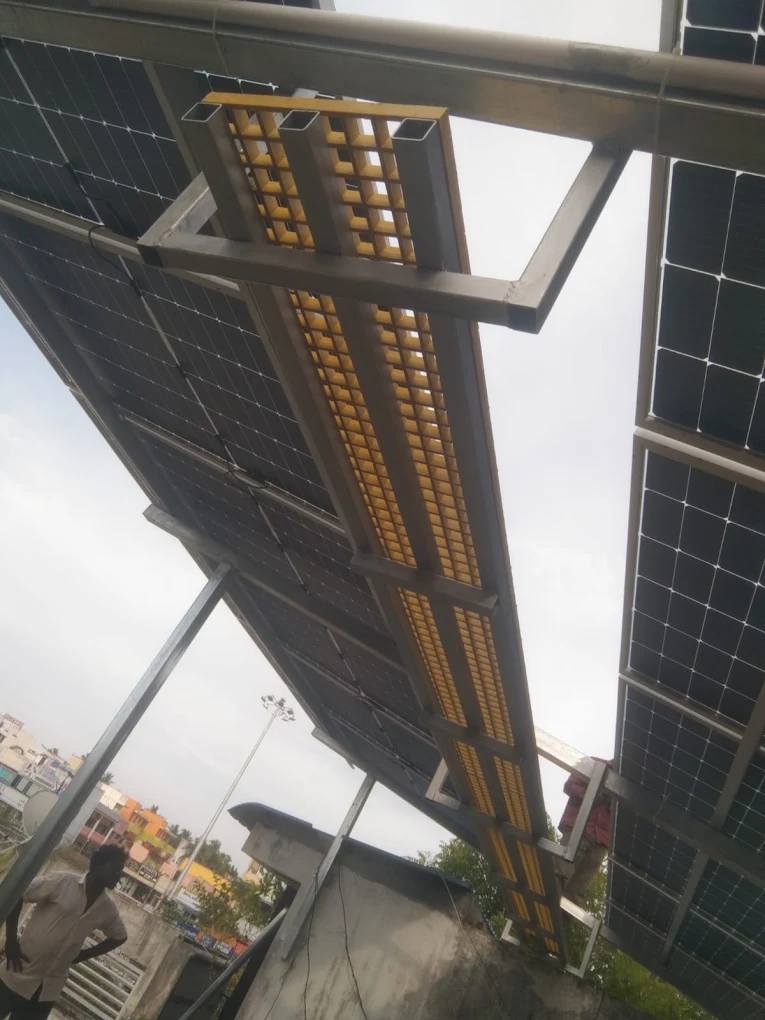
The colour difference usually comes down to the cell technology and the materials behind it, not the quality grade.
Monocrystalline panels do tend to be more efficient per square foot, which matters when roof space is tight. But "monocrystalline" is a broad category covering a wide range of quality, and a black frame can be fitted to almost anything.
Compare the wattage per panel and the efficiency percentage. Two 5 kW systems can need very different amounts of roof area depending on the panel rating. If your terrace is small, higher efficiency is worth paying for. If you have space to spare, it may not be.
This is the one most people skip, and it matters a great deal in Chennai. Panels lose output as they heat up, and a rooftop here gets very hot for much of the year. A lower temperature coefficient means less output lost on a 40°C afternoon. Two panels with identical ratings on paper can behave differently in May.
Look for the performance warranty, which states how much output the manufacturer guarantees after 25 years, and the separate product warranty covering physical defects. Just as important: whether the brand has service support in India. A long warranty from a company you cannot reach is not much use.
Check the glass thickness, frame strength, and junction box rating. These decide how the panel copes with heavy monsoon rain, wind, and, near the coast, salt-laden air.
For subsidy-eligible residential installations, the panels must come from an approved list. Confirm this before you commit, because it affects both your subsidy claim and your ability to get support later.
A practical comparison tip: ask each supplier for the total system wattage, the number of panels, the roof area required, and the expected monthly generation for your location. Comparing those four numbers tells you far more than comparing photographs.
In our experience, the gap between a system that performs well for years and one that disappoints has less to do with panel colour and more to do with what surrounds the panel: the mounting structure, the wiring, the earthing, and the inverter. A well-chosen panel installed poorly will underperform, and it is the part of the job you cannot see from the street.
We wrote more about that in our video on installation quality, and it is the reason our installation service covers structure, wiring, earthing, and testing as one scope rather than treating them as extras.
A darker panel is not automatically a better panel. Judge the specification sheet, the warranty, and the fit with your roof and your consumption. Then judge the company that will install it.
Keep reading
DCR modules are required for the rooftop subsidy. NDCR can look cheaper only if you give that subsidy up.
Read the article →
Heat, monsoon, TANGEDCO net metering, subsidy, and how to tell a real rooftop quote from a headline kilowatt price.
Read the article →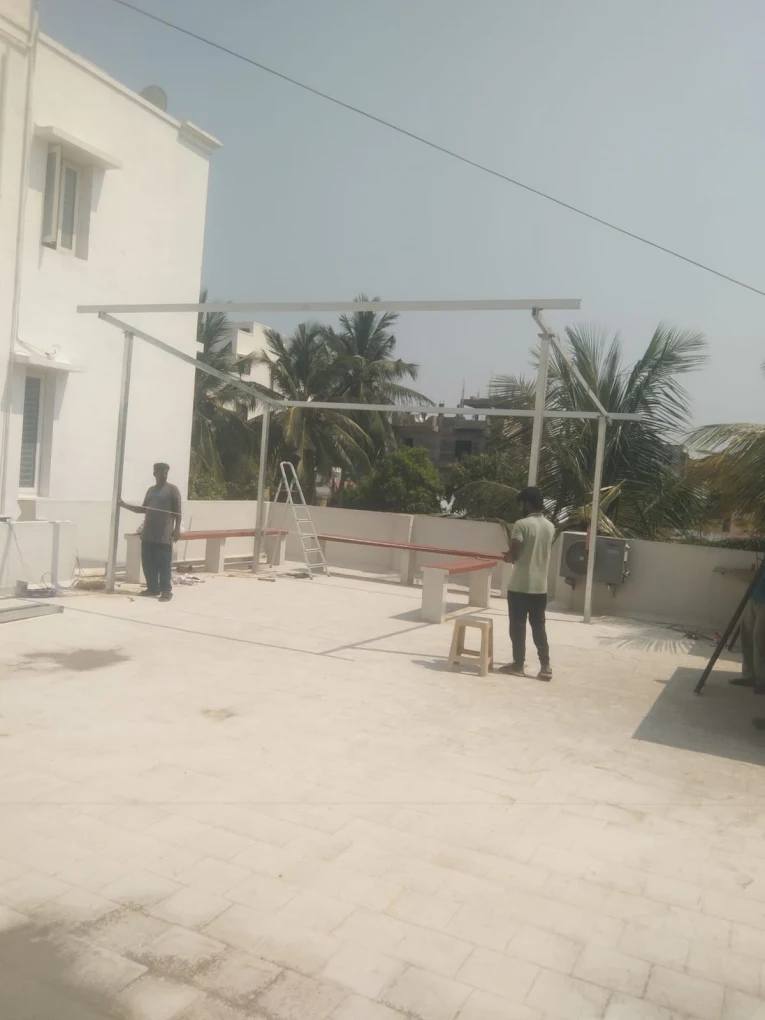
Two quotes for the same capacity can describe different projects. How to make them comparable, and the red flags to watch for.
Read the article →Next step
Book a free site inspection and we'll assess your roof area, shading, and electricity usage before recommending a system.