
NDCR vs DCR solar panels: which should you buy?
DCR modules are required for the rooftop subsidy. NDCR can look cheaper only if you give that subsidy up.
Read the article →A homeowner notices a crack in one panel after a storm, or sees the monthly generation drop, and assumes the worst: the whole rooftop plant has to be redone. It almost never comes to that. A solar system is modular by design, and the sensible response is a diagnosis before any replacement.
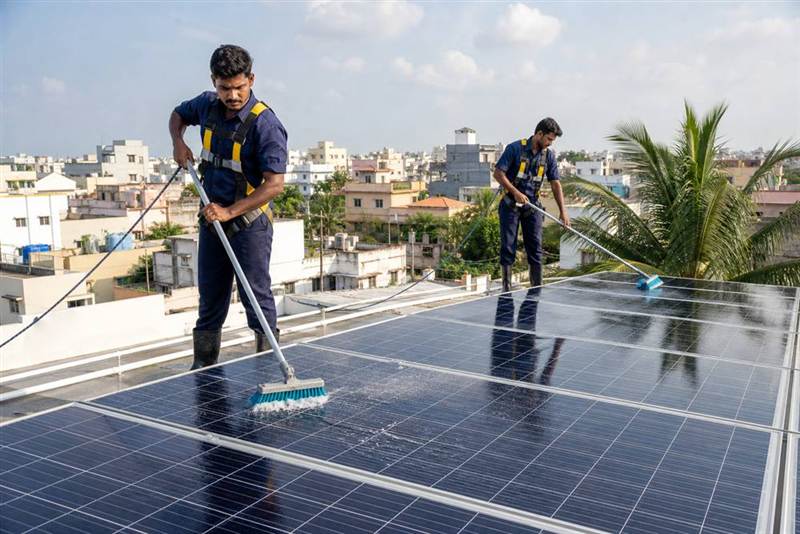
The aim is to find out whether the panel is genuinely faulty, and whether it is the cause or the symptom.
In a good share of the "my panel is damaged" calls we attend, the panel is fine. The real cause is something simpler:
Each of these is far cheaper to fix than a panel, and none of them require touching the rest of the array.
Two things matter. First, the replacement should be electrically compatible with the others in that string — a badly matched panel drags the string down toward its own output, so you lose more than one panel's worth of generation. Second, check the warranty position before buying anything: if the panel is within its product warranty and the failure is a manufacturing defect, the claim may cover it. Keep your original invoice, panel serial numbers, and installation documents, since manufacturers ask for them.
Safety note: a solar array is live whenever there is daylight, even with the inverter switched off. Cracked glass and damaged wiring should be inspected by a technician rather than handled yourself.
Most of the faults above announce themselves gradually. A periodic inspection catches a loose connector or an early hot spot while it is still a small job, which is the whole point of our panel cleaning and Annual Maintenance Contract — every visit includes cleaning plus a full check of panels, structure, cabling, earthing, inverter, and safety devices, with a written report and photographs.
If your generation has dropped and you are not sure why, call us on +91 9042517415 and we will help you work out whether it needs a visit.
Keep reading
DCR modules are required for the rooftop subsidy. NDCR can look cheaper only if you give that subsidy up.
Read the article →
Heat, monsoon, TANGEDCO net metering, subsidy, and how to tell a real rooftop quote from a headline kilowatt price.
Read the article →
Terrace constraints on south Chennai houses, net metering from here, and why a Medavakkam Main Road team still matters after switch-on.
Read the article →Next step
Cleaning, inspection, performance testing, and a written report on the condition of your rooftop plant.