
NDCR vs DCR solar panels: which should you buy?
DCR modules are required for the rooftop subsidy. NDCR can look cheaper only if you give that subsidy up.
Read the article →Most solar decisions go wrong at the very first step: a capacity is quoted over the phone before anyone has seen the roof. A 5 kW system sounds reasonable until you find that shade from a neighbouring building costs you two hours of generation every afternoon, or that the only clear space faces the wrong way. A site inspection is how you avoid paying for a system that does not fit your home.
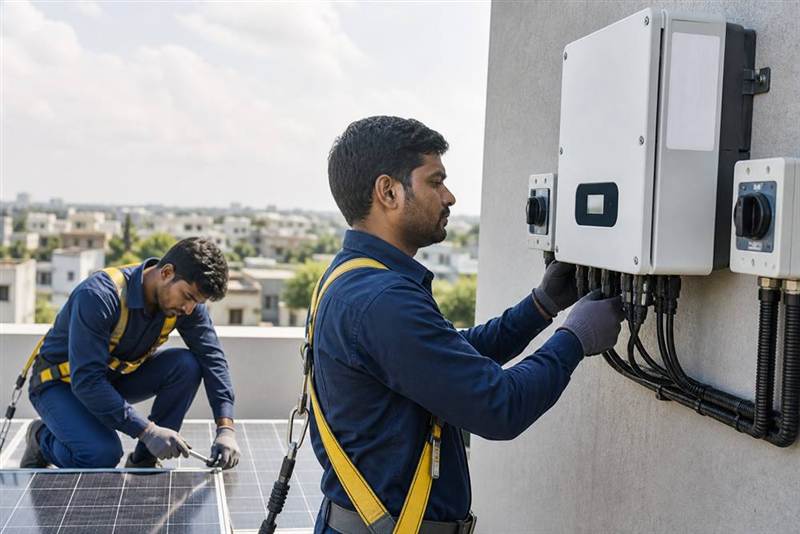
The roof tells us what is possible. Your bill tells us what is worth installing. We look at your consumption across a full year, because a household that runs air conditioning through the Chennai summer has a very different pattern from one that does not. Sizing to your annual usage, rather than to a round number, is what keeps the payback sensible.
Keep these ready for the visit: your last six to twelve months of EB bills, your sanctioned load, and, if you live in an apartment or shared building, confirmation that you can use the roof area.
There is no obligation attached to any of this. Plenty of homeowners take the report, think it over for a few months, and come back later. That is a perfectly reasonable way to make a decision of this size.
A typical residential inspection takes under an hour on site. Someone from the household should be present to open roof access and answer questions about usage and future plans, such as an additional air conditioner or an electric vehicle, both of which can change the recommended capacity.
You can request an inspection here, or call us on +91 9042517415. If you would rather see how we work first, our video gallery covers the questions homeowners ask us most.
Keep reading
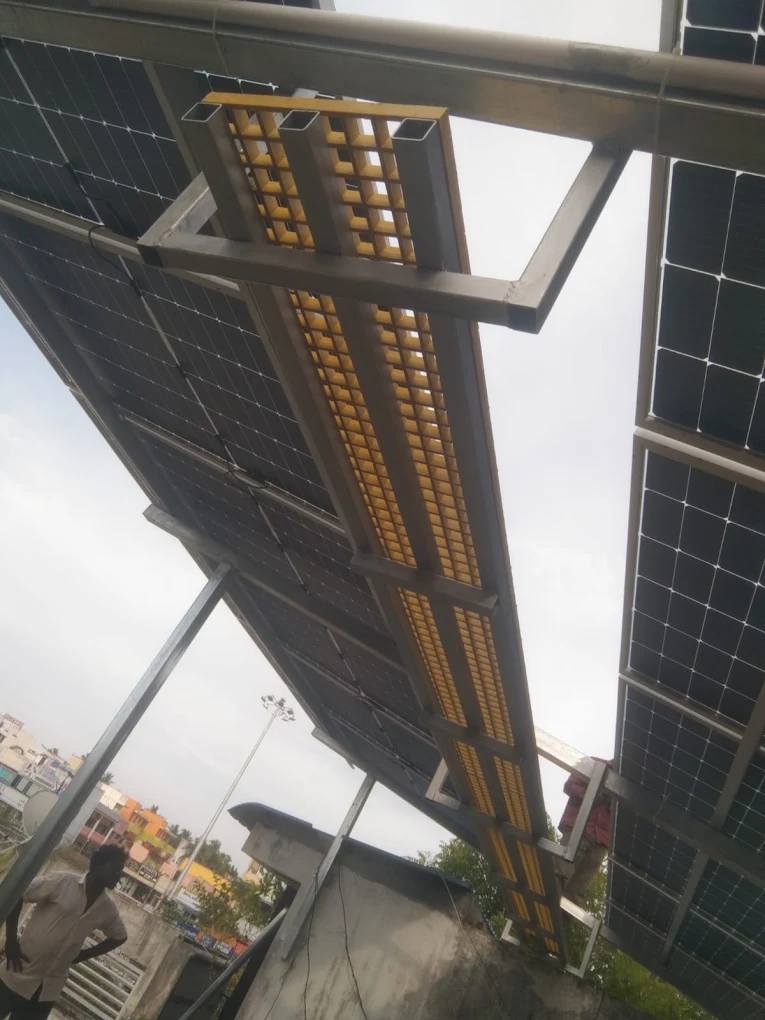
DCR modules are required for the rooftop subsidy. NDCR can look cheaper only if you give that subsidy up.
Read the article →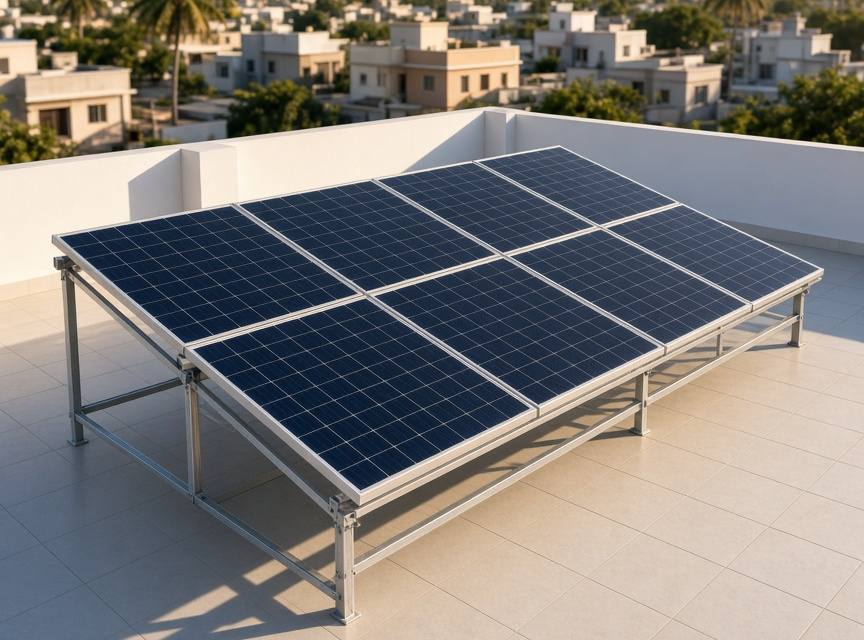
Heat, monsoon, TANGEDCO net metering, subsidy, and how to tell a real rooftop quote from a headline kilowatt price.
Read the article →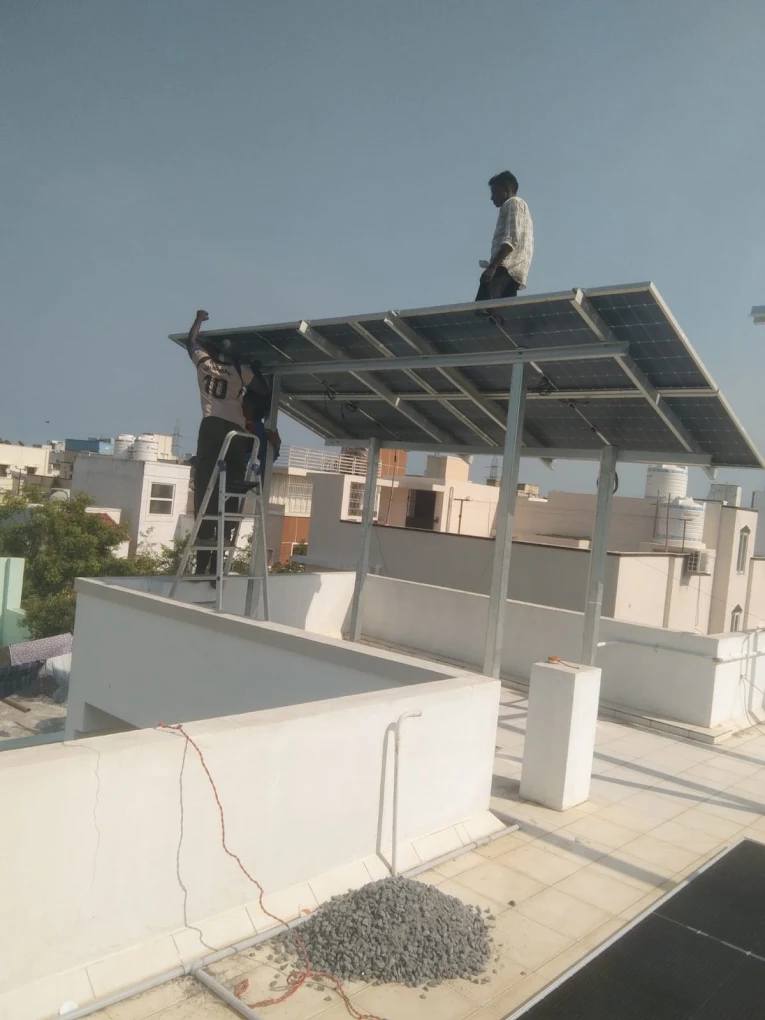
Terrace constraints on south Chennai houses, net metering from here, and why a Medavakkam Main Road team still matters after switch-on.
Read the article →Next step
No obligation. We'll assess your roof and usage, then tell you honestly what makes sense for your home.